Loose-leaf green tea
Chinese Green Tea Wholesale
Chinese green tea is defined by a fast kill-green step that stops oxidation while the leaf is still vivid. For specialty buyers, the buying decision is rarely “green or not green” — it is harvest week, kill-green method, and how you will store the lot after it lands.
Pre-Qingming (mingqian) leaves are picked before the Qingming festival. They are scarcer, sweeter, and priced as a short spring window. Pre-Guyu (yuqian) harvests follow with more leaf and a slightly broader cup. Later spring lots exist too; they are not “worse tea,” they are a different cost and flavour band.
This page covers loose leaf only. Chinese matcha is a different physical form and is not listed here. Evaluation samples are free of charge; the buyer covers the courier cost. Most teas from 5 kg.
How to read green-tea harvest bands
Chinese green tea is often sold by harvest window rather than a single letter grade. Match the window to your retail price band and to how fast the lot will move.
| Grade | Leaf | Use |
|---|---|---|
| Pre-Qingming | Fine buds and first leaves; low mass; short seasonal window | Flagship tins, gift menus, and buyers who lead with first-flush green |
| Pre-Guyu | Still spring; slightly more leaf; more cups per kilo | Core specialty green when you need volume without leaving spring |
| Later spring | Fuller leaf; longer supply; more vegetal structure | Everyday specialty, foodservice brew, and programmes that restock through summer |
Typical origins
Zhejiang & Jiangsu
Classic pan-fired plains and lake-district greens: chestnut, clean liquor, and a tight link between garden elevation and cup.
Anhui & western Hubei
Mountain greens with a longer, more savoury finish; useful when you want a green that is not only “first-flush sweet.”
Fujian & Sichuan
Includes steamed and pan-fired traditions. Steamed lots run greener and more marine; pan-fired lots run nuttier and drier.
Processing
-
Kill-green (shaqing)
Pan-firing (chaoqing) gives toasted chestnut and a drier finish. Steaming (zhengqing) keeps a greener, more vegetal cup. The method is a style choice, not a quality rank.
-
Shaping & drying
Rolling and drying lock the style and the moisture target. Uneven dry-down is the usual reason a “pretty” green tastes tired within weeks.
-
Storage window
Green tea has the shortest peak of the major Chinese types. Cool, dark, airtight, and away from odours. Plan intake to your sell-through, not to a warehouse calendar.
Buying notes
- Ask for harvest window and kill-green method on the spec sheet before you compare price.
- Most teas from 5 kg. A few grades carry a higher order minimum; that figure is on the product spec sheet, not a site-wide threshold.
- Evaluation samples are free of charge; the buyer covers the courier cost.
- When a lot is certified organic, the garden — not Sun Time Tea — is the certificate holder. Holder, number, and issuer belong on the product page.
- Lots can be selected to meet EU MRLs; batch testing available on request (Eurofins, approx. 2 weeks, at cost).
Available lots

Zhejiang, China
Gunpowder Green Tea
Hand-rolled into tight beads — a shape that travels well and holds its freshness.

Hubei, China
Enshi Yulu
A Tang Dynasty legacy: China's rare steamed green tea with a soul of pine needles.

Jiangxi, China
Lushan Yunwu
Born in the dancing mist: A sip of the ethereal spirit of Mount Lu.
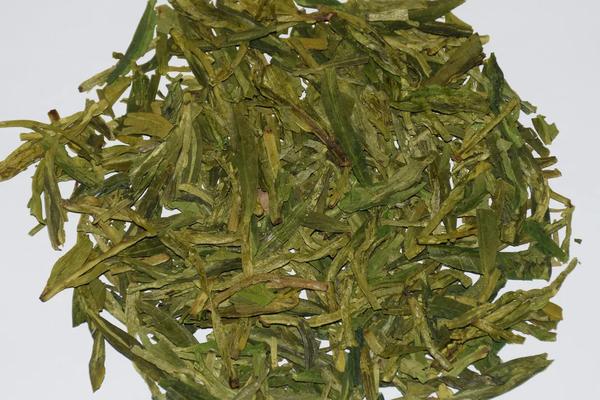
Zhejiang, China
Da Fo Longjing
Experience the zen of high-mountain mist with the lasting chestnut aroma of Big Buddha Dragon Well.

Jiangsu, China
Dongting Bi Luo Chun
Silver fuzz veiling emerald green, kissed by orchard blossoms—savor the radiant spring of Jiangnan in a single cup.
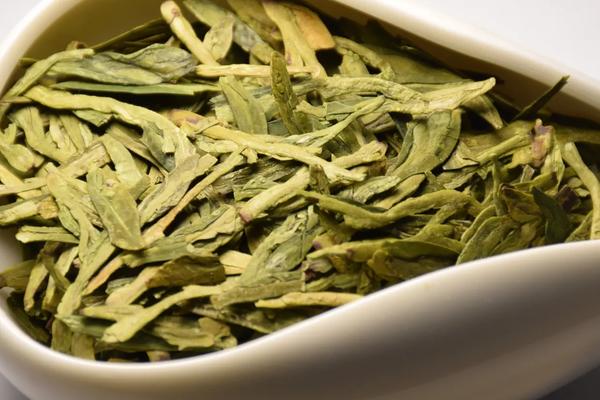
Zhejiang, China
West Lake Dragon Well (Long Jing)
The pinnacle of Chinese green tea with a sweet, chestnut-like profile.
Sourcing a green tea not listed here? Tell us your spec .
Frequently asked questions
What is the difference between pre-Qingming and pre-Guyu green tea?
Pre-Qingming is the first spring window: fewer kilos, finer leaf, higher price. Pre-Guyu is still spring, with more leaf and a slightly broader cup. Neither is a SKU name — they are harvest bands you should see on the spec sheet.
Does pan-fired green tea keep longer than steamed green tea?
Pan-fired lots are often a little more stable in the cup, but both are still green tea: the peak window is short. Storage (cool, dark, sealed) matters more than arguing the kill-green method as a shelf-life trick.
How do I start a green-tea order?
Evaluation samples are free of charge; the buyer covers the courier cost. Most teas from 5 kg. Tell us harvest window, kill-green style, and whether you need lots selected to meet EU MRLs.
Related reading
Wholesale inquiry
Looking for green tea?
Tell us the cultivar, grade, harvest window, and volume. Evaluation samples are free of charge; the buyer covers the courier cost. Most teas from 5 kg.