

Black Tea
Shaoguan Mi Hong
A sip of pure mountainous nectar, echoing the rich terroir of Guangdong.
Basic Information
- Chinese Name
- Origin
- Qujiang, Guangdong, China
- Elevation
- 800 m
- Harvest
- Pre-Guyu (Second Flush)
- Min. Order Qty (MOQ)
- 10 kg
韶关蜜红 / sháo guān mì hóng /
Product Story
About Shaoguan Mi Hong
🍵 Tea Name
Shaoguan Mi Hong (Honey Black Tea)
📍 Terroir & Origin
- Precise Origin: Mountain gardens in northern Guangdong, around Shaoguan, among Danxia landforms. Persistent mist and a wide day–night temperature swing concentrate sugars in the leaf.
- Altitude & Environment: Gardens around 800 metres. Mineral soils under the red sandstone ridges, not a humid river-plain garden.
- Cultivar: Local northern Guangdong plants in the Renhua White Hair family. High amino acids and a natural sweetness are the genetic base of the honey profile.
🌱 Plucking Standards
- Harvest Timing: Pre-Guyu. The lot is taken in the second spring window, when the shoot has enough substance for a full black-tea oxidation without tasting thin.
- Plucking Requirements: A bud with one or two leaves, kept whole. Bruised leaf oxidises in the basket and muddies the honey note.
🔥 Processing Techniques
Production follows orthodox black-tea steps. The honey character is in the cultivar and the oxidation — it is not a flavoured tea and no honey is added.
- Withering: Fresh leaf is spread until moisture drops and the blade turns limp enough to roll without tearing.
- Rolling: Tight rolling releases oils and sets the compact, dark dry leaf.
- Oxidation: The critical step. Polyphenols are transformed under controlled warmth until the honey and faint sweet-potato notes are in the aroma, then the leaf is dried to stop the reaction.
- Drying: Final firing locks the amber liquor colour and the sweet finish for export.
👅 Tasting Notes
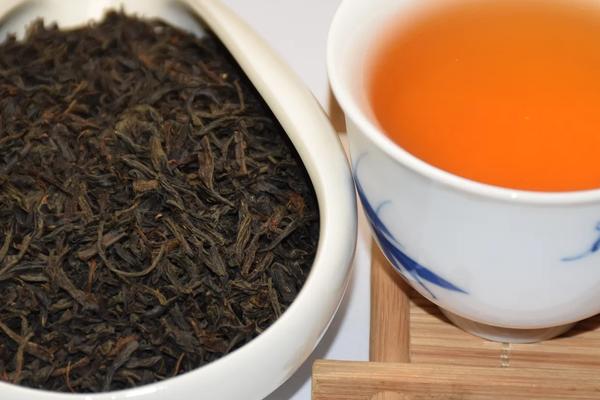
- Appearance: Tightly rolled, dark leaf. Not a broken breakfast grade.
- Liquor: Brilliant amber-red.
- Aroma & Palate: Pronounced wild-honey aroma. The cup is smooth and full, with honey over a light sweet-potato sweetness and a lingering aftertaste. Astringency should be low if oxidation was stopped on time.
🫖 Brewing & Storage
- Recommended brewing: White porcelain gaiwan or a small pot. Water at 90°C–95°C. About 4–5 g per 110 ml; a brief rinse, then 10–20 seconds on early Gongfu steeps. For a mug, a lighter ratio and a 2–3 minute steep still shows the honey note.
- Storage & shelf life: Sealed, away from direct sunlight, moisture, and strong odours, at room temperature. Labelled shelf life is 24 months from production.
Full Breakdown
Technical Specifications
- Tea Type
- Black Tea
- Oxidation Level
- 90%
- Cultivar / Variety
- Local Northern Guangdong Cultivars / Renhua White Hair Tea family
- Full Origin
- Luokeng Town, Qujiang County, Shaoguan City, Guangdong Province, China
- Processing Method
- Withering -> Rolling -> Oxidation -> Drying
- Shelf Life
- 24 months
- Storage Conditions
- Sealed, away from direct sunlight, moisture, and strong odors, at room temperature.
- Production Lead Time
- 5 days
- Export Packing
- Food-grade multi-layer aluminum foil bags, export cartons
Explore More
You May Also Like
 Black Tea Conventional
 Anhui, China
Keemun Gongfu
The "Queen of Black Tea"—A century-old legacy defined by the legendary Keemun Fragrance.
 Jasmine Tea EU Compliant
 Fujian, China
Jasmine Dragon Pearl
Hand-rolled green tea pearls imbued with the ethereal fragrance of summer jasmine blossoms.
 Green Tea Organic
 Zhejiang, China
Organic Gunpowder Tea
Green pearls of purity: Hand-rolled essence from certified organic mountains.
 Green Tea Organic
 Hubei, China
Organic Enshi Yulu
A Tang Dynasty legacy: China's rare steamed green tea with a soul of pine needles.
Ready to Source?
Interested in Shaoguan Mi Hong?
Contact our export team for pricing, availability, sample orders, and shipping details.